
Modular Substations Become a Key Solution for Modern Power Infrastructure
Growing Demand for Faster Power Infrastructure Deployment
Global investment in renewable energy, utility upgrades, industrial manufacturing and digital infrastructure continues to accelerate. As construction schedules become increasingly demanding, power system developers are seeking solutions that can reduce installation time while maintaining high standards of reliability and safety.
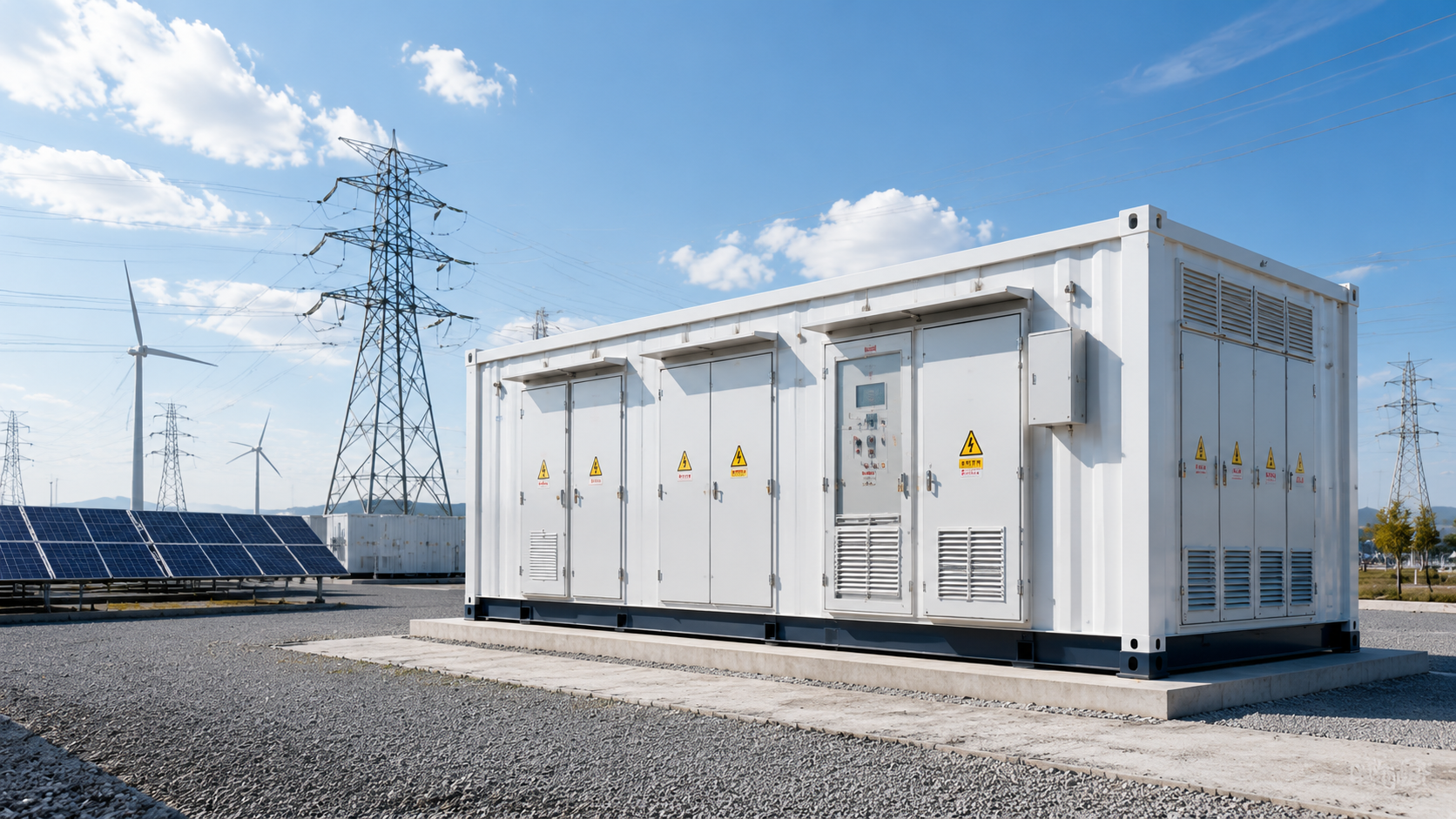
Modular substations have emerged as one of the most effective approaches for meeting these requirements. By integrating electrical equipment into factory-built modules, these systems significantly simplify project execution and improve overall construction efficiency.
Factory-Engineered Systems Improve Project Efficiency
Unlike conventional substations that require extensive on-site civil works and equipment installation, modular substations are manufactured, assembled and fully tested in controlled production facilities before shipment.
This factory-based approach minimizes on-site construction activities and enables much faster installation and commissioning once the equipment reaches the project location.
For engineering contractors and project owners, this means reduced construction risk, improved quality consistency and shorter project delivery schedules.
Supporting Renewable Energy and Data Center Growth
The rapid expansion of solar farms, wind power stations, battery energy storage systems and hyperscale data centers has created strong demand for flexible electrical infrastructure.
Modular substations are increasingly selected for these projects because they offer compact designs, simplified transportation and the ability to expand capacity as future power requirements increase.
Their standardized design also makes them well suited for projects in remote locations where construction resources may be limited.
Advantages of Modular Substation Technology
Modern modular substations provide several important advantages for power infrastructure projects:
Reduced construction and commissioning time
Factory-tested quality and reliability
Lower on-site labor requirements
Flexible modular configurations
Simplified transportation and installation
Improved project schedule control
Easier maintenance throughout the equipment lifecycle
Adaptability to a wide range of utility and industrial applications
These benefits help improve project efficiency while supporting reliable long-term operation.
Expanding Applications Across Global Markets
Modular substations are now widely used in:
Utility transmission and distribution networks
Renewable energy projects
Battery energy storage systems (BESS)
Industrial manufacturing facilities
Oil and gas installations
Mining operations
Data centers
Transportation infrastructure
Commercial and mixed-use developments
As global demand for resilient electrical infrastructure continues to increase, modular solutions are expected to play an even more important role in future power projects.
Looking Ahead
The transition toward cleaner energy, digital industries and intelligent power networks is reshaping the global electrical sector.
With their combination of standardized manufacturing, rapid deployment and reliable performance, modular substations are becoming an essential component of modern power infrastructure.
Future developments in digital monitoring, intelligent control systems and sustainable engineering will further enhance the value of modular electrical solutions, supporting safer, more efficient and more resilient energy networks worldwide.
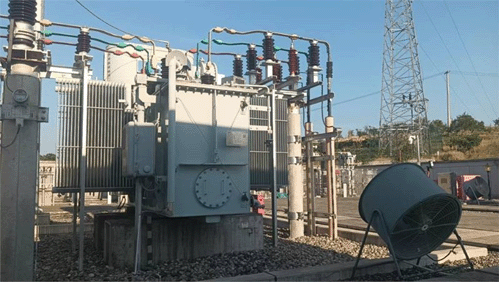 Record Grid Demand Tests Power Transformer Cooling in China
Share This Article, Choose Your Platform!
Related News
Three electricity-demand records in three days. Water spray and forced-air cooling operating beside heavily loaded transformers. Monitoring teams watching critical substations around the clock. Extreme summer conditions in Zigong, a city in southwest China’s Sichuan Province, have turned power transformer cooling into an important grid reliability issue. According to a July 16 report from Cover [...]
Growing Demand for Faster Power Infrastructure Deployment Global investment in renewable energy, utility upgrades, industrial manufacturing and digital infrastructure continues to accelerate. As construction schedules become increasingly demanding, power system developers are seeking solutions that can reduce installation time while maintaining high standards of reliability and safety. Modular substations have emerged as one of the [...]