
Record Grid Demand Tests Power Transformer Cooling in China
Three electricity-demand records in three days. Water spray and forced-air cooling operating beside heavily loaded transformers. Monitoring teams watching critical substations around the clock.
Extreme summer conditions in Zigong, a city in southwest China’s Sichuan Province, have turned power transformer cooling into an important grid reliability issue.
According to a July 16 report from Cover News, Zigong’s evening peak demand reached 1,885.66 MW at 9:51 p.m. This followed peaks of 1,830.44 MW on July 14 and 1,874.79 MW on July 15—three successive records for the local grid.
The grid remained stable, but the rapid rise in demand placed additional thermal pressure on essential transformer assets.
Two 180 MVA Transformers at the Centre of the Response
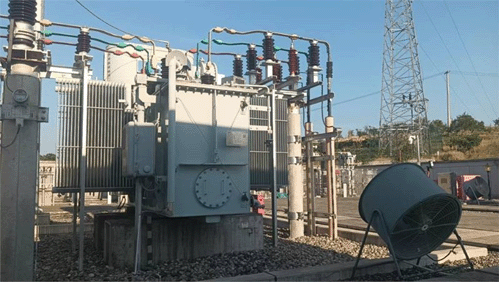
At the 220 kV Shuping Substation, two 180 MVA power transformers supply important residential and industrial loads in Zigong’s urban area.
As electricity demand increased, operating teams used controlled water spray on the transformer radiators to accelerate heat dissipation. The transformers reportedly received three cooling cycles each day, with longer operation between 7:00 p.m. and 10:00 p.m., when electricity consumption was highest.
Operators monitored transformer loading, oil temperature, oil level and infrared temperature readings. According to the report, additional physical cooling was initiated when loading reached the threshold specified in the utility’s operating procedure and oil temperature exceeded 75°C.
Water applied to the external radiator surfaces reportedly reduced temperatures by approximately 5–10°C within a relatively short period.
By July 15, 15 transformers in the Zigong area were receiving this type of additional cooling support.
Water Spray and Forced-Air Cooling Across the Grid
The response was not limited to one substation.
In Fushun County, 38 main transformers were supported by 3 kW fans with a diameter of approximately one metre. After 20–30 minutes of forced-air cooling, transformer temperatures reportedly fell by around 5–6°C. Cooling was stopped when equipment temperature returned below the utility’s operational threshold.
Another 19 transformers across 13 substations in Rong County received either water-spray or forced-air cooling.
State Grid Zigong Power Supply Company also strengthened inspections across more than 70 substations. Three dedicated teams inspected 18 important substations during the evening peak period, while the monitoring centre maintained 24-hour supervision of heavily loaded equipment.
The combination of remote monitoring and physical inspection created a rapid cycle of detection, assessment and response.
Why High Ambient Temperature Changes Transformer Performance
A transformer generates heat whenever it carries electrical load. Under normal conditions, this heat is removed through the insulating oil, tank surfaces, radiators, cooling fans, oil pumps or engineered heat exchangers.
During extreme summer weather, two challenges occur at the same time:
- Electricity demand increases because of air-conditioning and refrigeration loads.
- High ambient temperature reduces the transformer cooling system’s ability to release heat into the surrounding air.
As loading rises, winding hot-spot and oil temperatures can increase more quickly. Prolonged operation at elevated temperature may accelerate insulation ageing and reduce the transformer’s expected operating life.
This is why transformer thermal performance cannot be evaluated only by rated voltage and power capacity. Ambient temperature, expected loading cycles, losses, cooling stages and emergency overload requirements must all be considered during equipment selection.
Emergency Cooling Is Not a Universal Operating Method
The measures described in Zigong were carried out by trained utility personnel under controlled operating procedures.
External water spray should not be treated as a general recommendation for every energized transformer. Before such a method is considered, operators must evaluate equipment design, electrical clearances, bushing locations, water quality, drainage, corrosion risk and the transformer manufacturer’s instructions.
A better long-term approach is to specify the required thermal performance during transformer design and procurement.
Depending on the application, large power transformers may use combinations of:
- Oil natural and air natural cooling
- Forced-air radiator cooling
- Forced-oil circulation
- Multiple automatic cooling stages
- Oil-to-water heat exchangers
- Online oil and winding temperature monitoring
- Automatic fan and pump control
- Alarm and protection systems
The cooling arrangement must be matched to the transformer’s load profile, installation environment and required operating reliability.
Five Lessons for Utilities and Power Project Developers
The Zigong case provides several practical lessons for utilities, EPC contractors and power infrastructure owners.
1. Peak demand forecasts need to include extreme weather
Historical average temperatures may no longer provide a sufficient basis for transformer loading studies. Project teams should consider simultaneous high ambient temperature and peak electricity demand.
2. Thermal margin matters
Selecting a transformer only for normal operating load may leave limited flexibility during heat waves, equipment outages or unexpected demand growth. Adequate thermal margin improves operational resilience.
3. Cooling system redundancy should be evaluated
Cooling fans, oil pumps, power supplies and control circuits are essential parts of the transformer system. Their failure modes, backup capacity and maintenance requirements should be reviewed during design.
4. Monitoring supports earlier intervention
Real-time oil temperature, winding temperature, loading and cooling-system status allow operators to identify developing thermal problems before protection systems need to act.
5. Procurement specifications should reflect site conditions
A transformer specification should clearly state maximum ambient temperature, altitude, loading cycle, permissible temperature rise, required cooling class, noise limits and emergency overload expectations.
Engineering Transformers for High-Demand Power Networks
As electricity consumption grows across cities, industrial facilities, renewable energy projects and data centres, utilities need transformers that can maintain stable performance under increasingly demanding operating conditions.
Metenique supplies power transmission and distribution transformers for utility and industrial applications, including EHV and UHV power systems.
For high-capacity generating applications, the company also provides engineered solutions such as the 500 kV 860 MVA water-cooled main power transformer. Cooling configuration, losses, monitoring requirements and site conditions can be evaluated according to the needs of each project.
The Zigong response shows that transformer cooling is no longer a secondary design consideration. Under record demand and extreme temperature, it becomes a central part of grid reliability, equipment life and continuity of supply.
For transformer selection or technical discussions, contact Metenique with your required voltage, capacity, loading profile, ambient conditions and cooling requirements.
SOURCE
Adapted and independently rewritten from reporting by Cover News, published July 16, 2026.
FEATURED IMAGE ALT TEXT
Power transformer cooling system operating during peak summer electricity demand
FEATURED IMAGE CAPTION
Power transformer thermal management becomes increasingly important during periods of high ambient temperature and record grid demand.
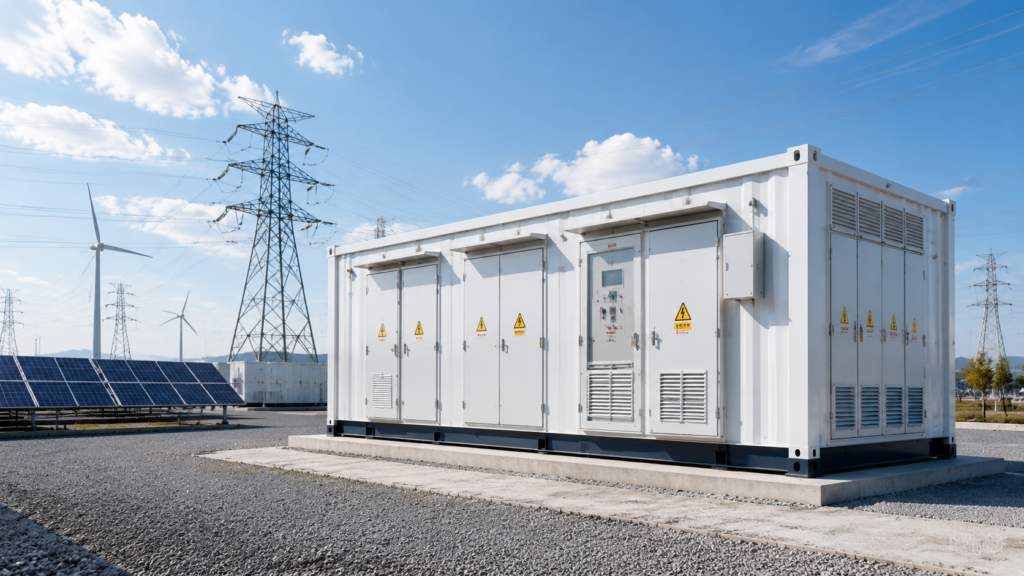 Modular Substations Become a Key Solution for Modern Power Infrastructure
Share This Article, Choose Your Platform!
Related News
Three electricity-demand records in three days. Water spray and forced-air cooling operating beside heavily loaded transformers. Monitoring teams watching critical substations around the clock. Extreme summer conditions in Zigong, a city in southwest China’s Sichuan Province, have turned power transformer cooling into an important grid reliability issue. According to a July 16 report from Cover [...]
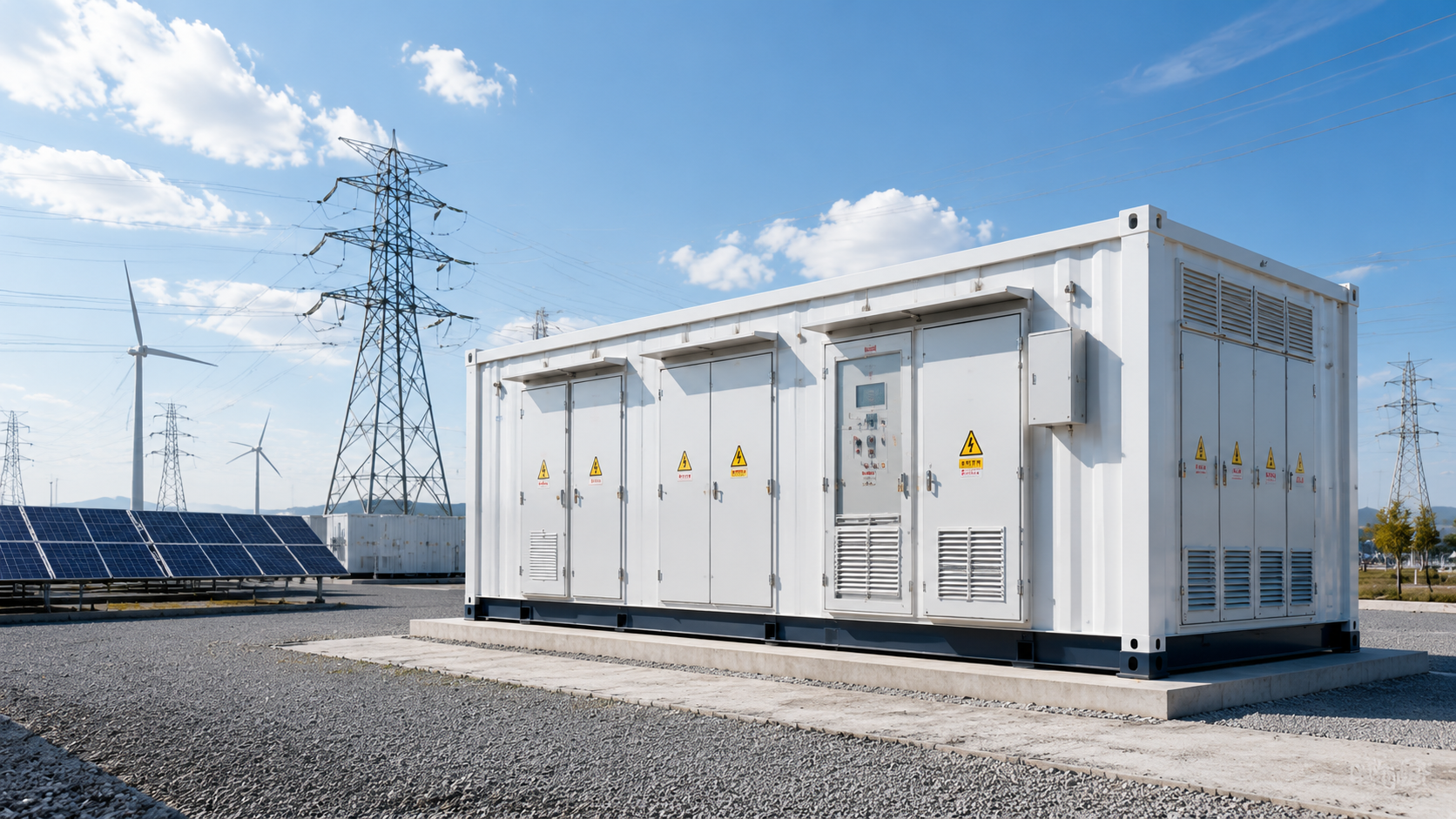
Growing Demand for Faster Power Infrastructure Deployment Global investment in renewable energy, utility upgrades, industrial manufacturing and digital infrastructure continues to accelerate. As construction schedules become increasingly demanding, power system developers are seeking solutions that can reduce installation time while maintaining high standards of reliability and safety. Modular substations have emerged as one of the [...]